
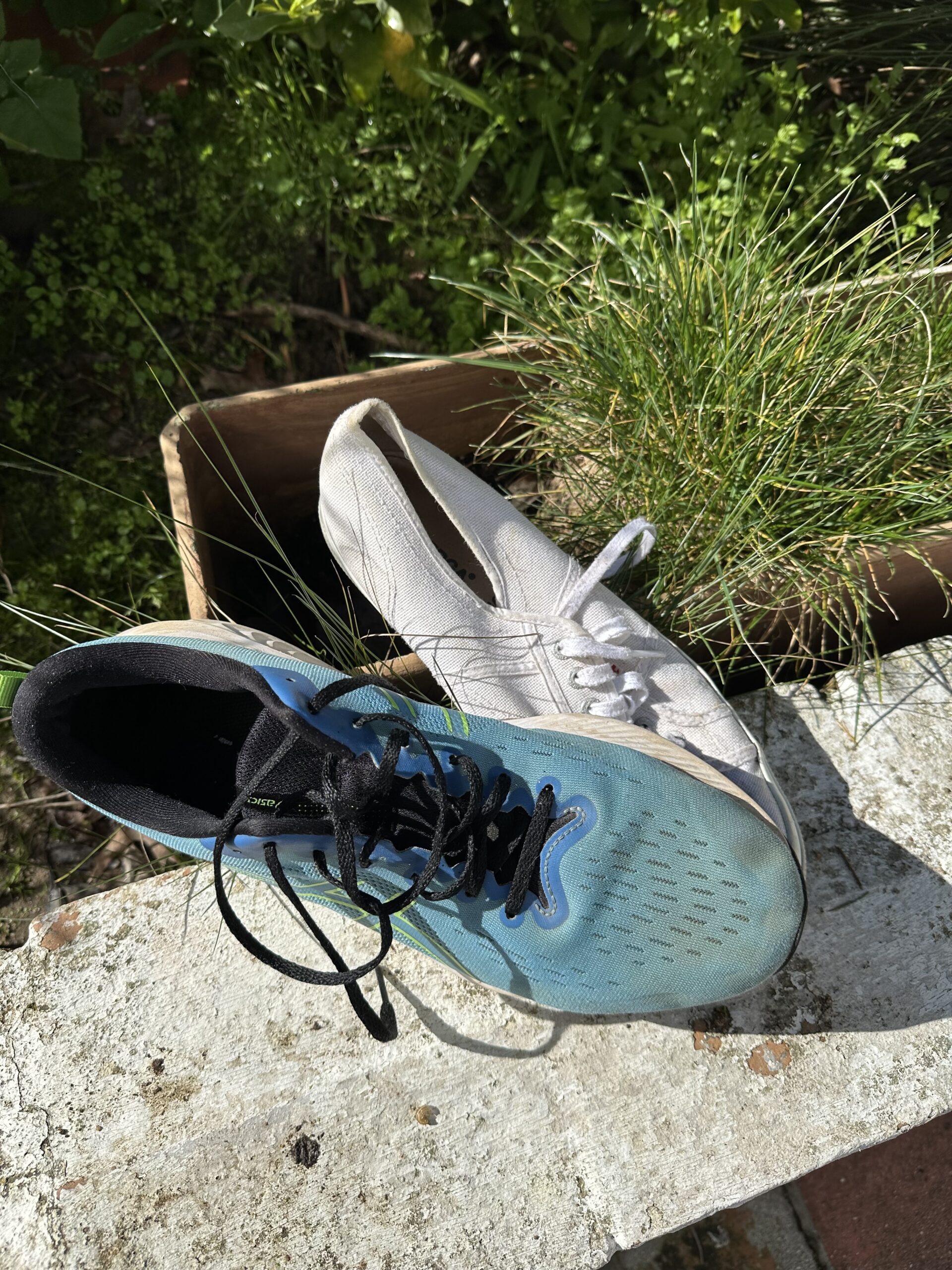
Whatever Happened to the Cheap Hobby?
How Western Cape leisure turned into a competitive line item—and what we lose when play requires a uniform.
The Death of the “Just Showing Up”
There was a time when taking up running meant pulling on an old pair of sneakers and hitting the pavement. Surf skiing or paddling meant grabbing whatever fiberglass shell you could find secondhand. Cycling was about exploring backroads, not analyzing telemetry.
Today, entering local lifestyle culture carries a steep tax. From carbon-fiber frames, specialized GPS watches, and biometric wearables to high-end apparel and exclusive club memberships, entry-level participation has shifted from low-barrier fun to high-capital investment.
We’ve swapped amateurism—in its truest sense, doing something purely for the love of it—for optimized performance.
The Parallel: Leisure Mirrors the Property Market
This isn’t happening in a vacuum. In regions like the Western Cape, where real estate and cost-of-living pressures squeeze the middle class, leisure has quietly adopted the same exclusionary economic logic.
When property barriers rise, lifestyle becomes the secondary flex. Gear becomes the proxy for belonging. If you can’t buy the house on the hill, you can at least own the R4000 paddle or the top-tier gravel bike. In doing so, basic human play has been converted into competitive consumerism.
The paradox? As the gear gets lighter and faster, the barrier to simple, unpretentious community connection gets higher.
The Performance Balance Sheet
Why do we do this to our downtime?
In a culture obsessed with efficiency and status, unquantified leisure feels uncomfortably unproductive. If we aren’t tracking our heart rate zones, logging stats to an app, or looking the part, did the workout even happen?
By treating our hobbies like projects that require “equipment upgrades,” we inadvertently import the corporate balance sheet into our Saturday mornings. Hobbies stop being an escape from work performance and instead become just another venue to perform. We end up managing our leisure with the same intensity we manage our jobs.
The Uncomfortable Question
Has our pursuit of high-end lifestyle gear actually enriched our downtime, or has it just priced out spontaneity?
When every weekend activity requires a financial commitment, we risk fracturing local culture into distinct socioeconomic silos. We aren’t just buying equipment; we’re buying a uniform that signals who belongs on the trail, the water, or the road—and who doesn’t.
Are we seeking genuine, unvarnished connection to nature and community—or are we just purchasing the right aesthetic to feel validated?
Where We Go From Here: A Blueprint for “Un-Optimized” Play
Reclaiming the cheap hobby doesn’t mean burning your high-tech gear; it means decoupling participation from expenditure.
- The Low-Tech Movement: What happens when local groups intentionally strip back the gear noise? Low-tech run clubs, secondhand equipment swaps, or “no-watch” social sessions focus purely on the human element.
- Redefining Local Value: Community resilience grows when access is broad. The true wealth of a town’s outdoor culture isn’t measured by the average price of the bikes on the rack outside the coffee shop, but by how welcoming the group is to someone rolling up on a rusty ten-speed.
0 Comments